

Tourism distribution has changed radically in recent years, driven by digital technology, the rise of e-commerce and the emergence of new sales channels. Today, travel bookings can be made via a travel agency, an online platform, a bank or an e-commerce site.
In today’s highly open ecosystem, understanding the sector’s new equilibrium is essential for tourism professionals.
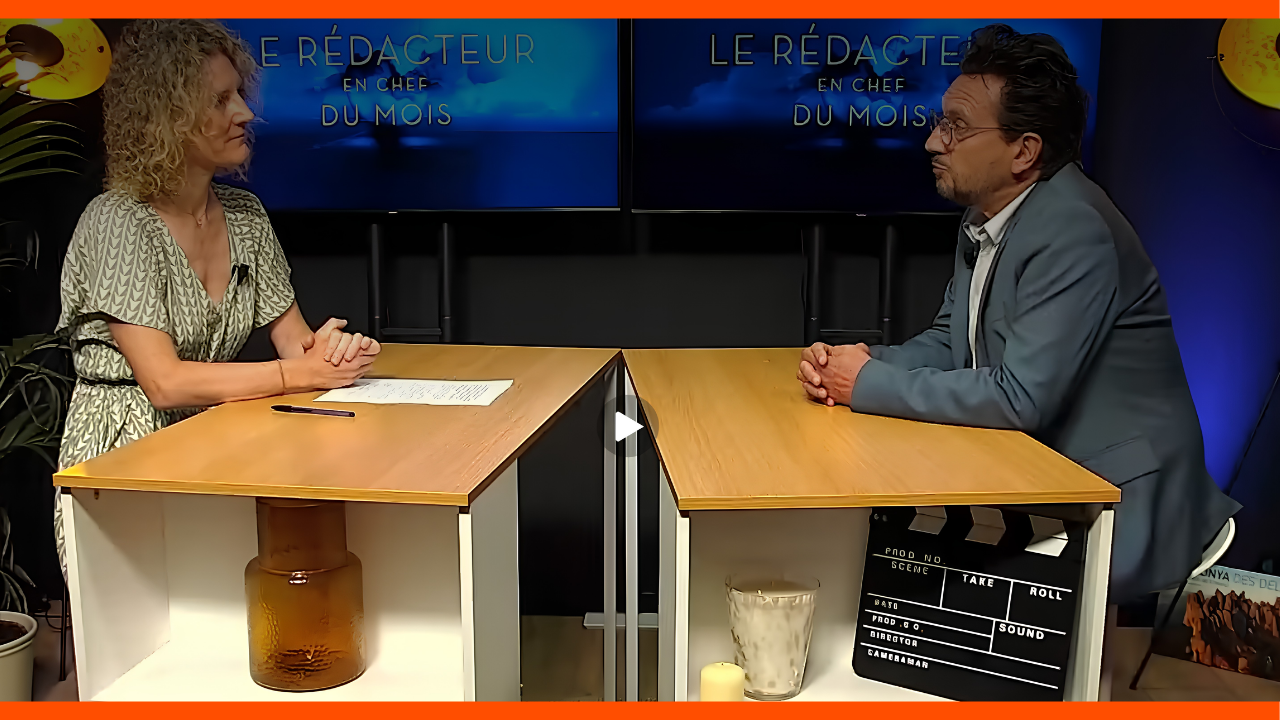
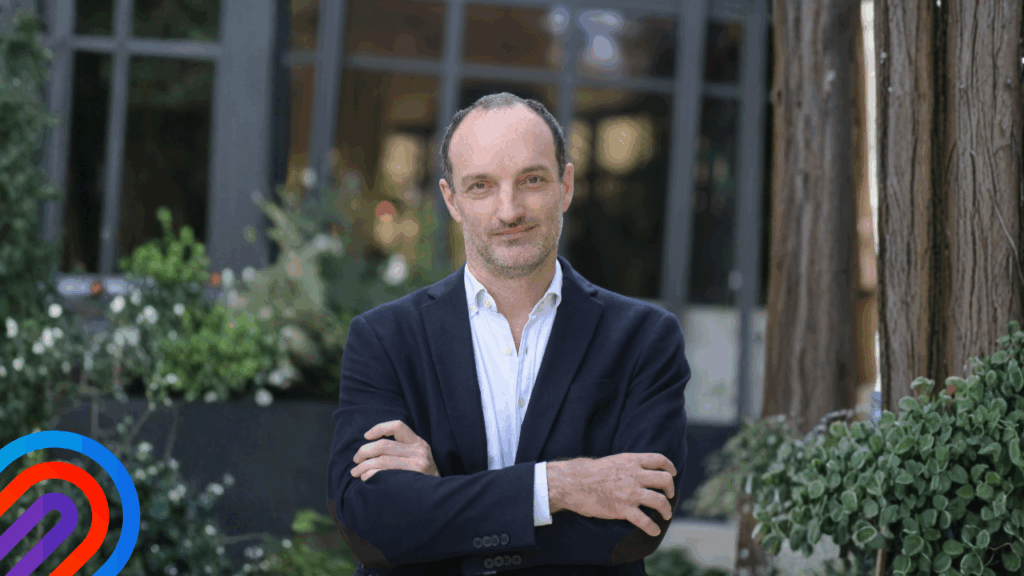
To decipher these transformations, we spoke to Frédéric Pilloud, Digital Director at DIGITRIPS. With over twenty years’ experience in the travel industry, he shares with us his background, his analysis of the e-commerce market and his vision of travel distribution in the digital age.
Table of content
- Tourism and digital: what career paths are possible?
- How to adapt to digital in the tourism industry?
- What are the trends in the airline market?
- Who are the new players in travel distribution?
- What tips do you have for working in travel distribution?
Tourism and digital: what career paths are possible?
How did you get to DIGITRIPS? What is your background?
Frédéric Pilloud: I’ve always worked in the tourism industry, not least because I come from Savoie, a very touristy region with ski resorts. So I grew up in an environment where tourism was part of the local economy, which naturally steered me towards studies in this sector.
I joined the ESCAET school in Aix-en-Provence in the late 1990s, which remains a benchmark for tourism students. At the time, I was already very passionate about technology and the Internet, which was quite a precursor in tourism. During my studies, I was in charge of the school’s website.
At that time, the tourism industry was still in transition: we were gradually moving from Minitel to the Internet, and many players hadn’t yet really taken the digital turn.
When I had to choose my internship, I decided to approach GoVoyages, explaining that they needed to develop their online presence. I joined the company, and in particular Carlos Da Silva and Nicolas Brumelot, at a time when an Internet department had just been created: there were only two of us working on these issues.
I then spent 15 years at GoVoyages, which later became eDreams ODIGEO, where I held various e-commerce positions and helped to create digital teams.
Then, with Carlos and Nicolas, we decided to launch a start-up in France: MisterFly, which has now become DIGITRIPS.
We started from scratch in a highly competitive market where many thought there was little left to invent. Yet in ten years, the company has gone from 0 to nearly 500 million euros in annual sales.
Today, my role at DIGITRIPS is to work on growth and customer engagement: optimizing the user experience, improving the performance of our digital platforms and developing product distribution partnerships (flights, hotels, car rentals among others) with various market players, on a white label or API basis.
How has your training at ESCAET prepared you for the current challenges of distribution and digital technology in tourism?
Frédéric Pilloud: Above all, training at ESCAET brings one essential thing: a global understanding of the tourism industry.
We learn all about the mechanics of the sector: the different players, how travel production and distribution work, the relationships between airlines, tour operators, agencies and distribution platforms.
It’s an extremely valuable foundation for understanding how the entire travel ecosystem works. And it’s a foundation that you can use throughout your career. The school also allows you to specialize in certain areas. In my case, I chose to focus on e-commerce and digital issues, even though at the time this specialization was still fairly new.
Finally, the advantage of this type of training is that it combines a global vision of the sector with specialization in a specific field, which is particularly useful in an industry as complex as tourism.
How can we adapt to digital technology in the tourism industry?
How do you see the transformation of the sector since you started out?
Frédéric Pilloud: The most important transformation is clearly the arrival of the Internet and the disintermediation it has brought to travel distribution. Before the Internet, the market was much more compartmentalized. Distribution was essentially controlled by traditional travel agencies, which played a central role in selling airline tickets and holidays.
With the Internet, all this has changed profoundly. Today, the market is much more open and anyone can potentially distribute travel.
I often like to compare the travel industry to a kind of giant plumbing system. Behind the dreamy image of travel, there are actually a huge number of technical systems that have to communicate with each other.
Ultimately, the job consists of connecting “pipes”: retrieving content, connecting inventories, redistributing offers across different channels.
Since this major transformation, many innovations have emerged, such as AI. But in the end, they are a continuation of that first revolution, and do not fundamentally change the industry.
Today, in all professions, not just tourism, you need to be able to constantly adapt to new technologies.
What are the trends in the airline market?
Every month, you publish the DIGITRIPS barometer with L’Écho Touristique. Who is this barometer aimed at?
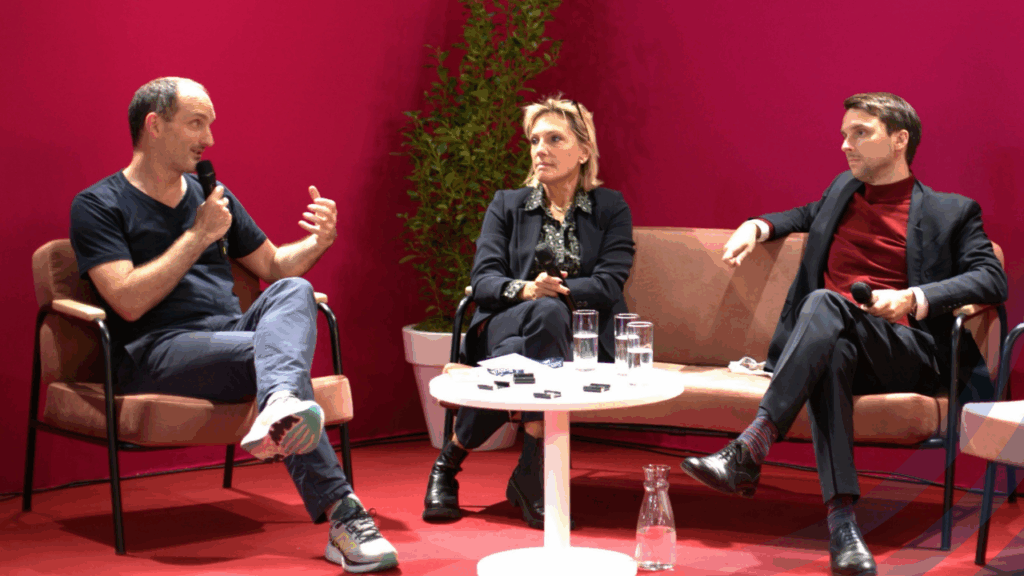
Frédéric Pilloud: This barometer, published in partnership with L’Echo Touristique, is aimed primarily at travel agents and tourism professionals, who can use the data to monitor market trends and adapt their strategy.
Initially, these were fairly simple analyses shared within the context of Covid. These analyses were then widely used by industry players. Naturally, we then collaborated with Echo Touristique to ensure that all industry professionals had access to them.
Today, thanks to the volume of air sales processed by DIGITRIPS, these data offer a fairly representative view of flight and sales trends in the French market.
The barometer is published promptly at the start of each month , to give an overview of trends: changes in flight prices, most-booked destinations, traveler behavior, etc.
Are plane tickets really cheaper on Tuesday night?
Frédéric Pilloud: It’s an idea that’s circulating a lot on the Internet, but the reality is much simpler: there’s no magic rule for buying a cheaper plane ticket. The only thing you can be sure of is that booking in advance generally gives you a better chance of getting a good fare.
Airlines use yield management systems. What is yield management? It’s a pricing method based on a simple principle: constantly adjust prices according to supply and demand.
In theory, the lowest prices are opened well in advance in order to secure sales and generate cash. It may happen that a price drops at the last minute if a plane is not full, but this means that the company’s pricing strategy has not worked, which is relatively rare.
Today, airlines use high-performance algorithms to optimize flight load factors and avoid this type of situation.
In conclusion, if you want to travel during the school vacations and wait until the last minute, there’s a 98% chance that prices will be higher.
Who are the new players in travel distribution?
In a highly digitalized market, what role do travel agencies still play?
Frédéric Pilloud: Today, there are many more ways to book a trip. The way you book often depends on a number of factors: the time of year you want to go, the type of trip you want to make, the people you want to travel with, and the time of life.
The travel market has thus become a very open ecosystem, where several types of players coexist. You can of course book through a travel agency, but also via online platforms, banks, e-commerce sites, airports, or even be influenced by bloggers and content creators.
At the end of the day, it’s not really a question of who can sell travel, because today almost anyone can.
The real question is: what added value does each player bring to the customer?
In travel distribution, there are many ways to create this value. For example, a travel agency can offer tailor-made support, build an entirely personalized trip, or solve a specific problem for a customer.
This is also the role of the travel agentAs experts, they are able to analyze options, compare offers and quickly build a solution tailored to the customer’s needs.
How do you support major retail networks like Carrefour Voyages and Leclerc Voyages?
Frédéric Pilloud: The principle remains the same: to be present where travelers are.
Today, customers may want to book their trip at a physical agency, on an e-commerce site, via their bank, on a travel deals platform like Veepee or even via an airport website.
Our role at DIGITRIPS is to enable all these partners to propose travel offers to their customers. Ultimately, travel distribution is based on a simple idea: being able to deliver the right offer, to the right place, at the right time.
What tips do you have for working in travel distribution?
What advice would you give to someone wishing to work in travel distribution?
Frédéric Pilloud: It’s difficult to give just one piece of advice, because the tourism industry today encompasses many different professions. You can enter the sector through travel agency sales, tourism production, marketing, data, technology or product development.
Some tourism professionals begin with a BTS in tourism and start out in an agency. Others enter the industry via technical professions such as development or data.
Today, tourism is a sector that brings together many different skills, so there are several possible entry points. Specialized schools such as ESCAET enable you to understand how the sector works as a whole, and then specialize in the field that best suits your profile.
Conclusion
As Frédéric Pilloud, Director of Digital at DIGITRIPS, points out: in an increasingly digitalized and disintermediated market, travel distribution relies above all on the added value brought to the traveler.
Today, travel agencies, digital platforms, banks, e-commerce sites and airports can all offer travel solutions. The travel solution is even referred to as “travel-as-a-service”: the difference lies in the ability to provide a relevant service, expertise or experience to meet travelers’ expectations.
In this constantly evolving ecosystem, DIGITRIPS is a key player in travel distribution, connecting the different sales channels and enabling its partners – agencies, brands, distributors or digital platforms – to easily propose travel offers to their customers.
Thanks to its technological expertise and network of partners, DIGITRIPS is helping to reinvent tourism distribution in the digital age, while supporting industry professionals in their new distribution and customer experience challenges.